Whoami

Hello, World! I’m Mohe, a cybersecurity student at Lincoln University, Malaysia. I’m passionate about all things cybersecurity—from understanding network protocols to building tools that explore real-time security challenges. I’m comfortable working on both Linux and Windows systems and enjoy digging deep into how systems and networks operate. I also actively participate in CTFs to sharpen my practical security skills.

I love programming and applying my knowledge to hands-on projects. Outside of my studies, I enjoy web development with Next.js, React, and TypeScript, creating applications that are both functional and user-friendly.

Some of my notable projects include this website and Password Manager, designed for secure data handling, and a RAG App, exploring retrieval-augmented generation concepts.

I’m always curious, experimenting, and seeking ways to turn ideas into real, working solutions.

Skills

  • Cybersecurity
  • Windows Internals
  • Linux
  • Active directory
  • Knowledge Networking
  • reverse Engineering
  • C++
  • python
  • Go
  • Javascript
  • Typescript
  • Next.js
  • React.js
  • FastAPI
  • Node.js
  • SQL
  • NoSQL
  • CSS
Build full-stack web apps.
Hi, I'm MØHΞ
Projects,0
Blogs,0
a cybersecurity student, I specialize in building secure digital experiences. I apply my passion for security to my work as a web developer, creating robust applications and sharing my findings through code and content.

CyberSecurity & Web Development hobbyist

Malyasia, Kuala Lumpur

01127718942

mohieddinabbas141@gmail.com

LinkedIn

LinkedIn

MOHIEDDIN ABBAS

GitHub

GitHub

mohe22

X

X

AbbasMohieddin

Check out my latest work

see all projects

cybersecurity and full-stack developer who loves building secure web apps, solving CTF challenges, and sharing knowledge through blogs and projects.
Project image 1

Ping

25 days ago

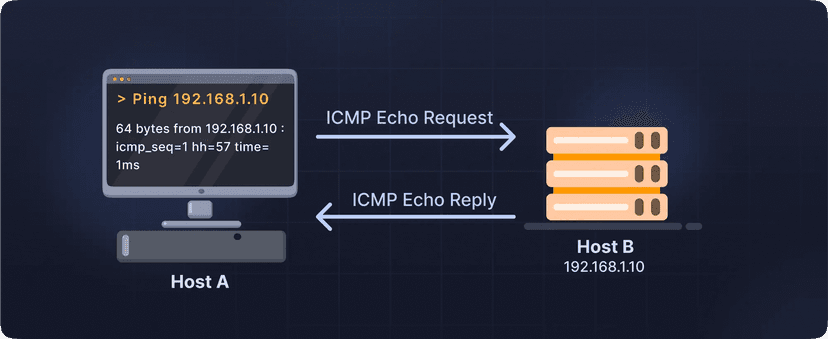
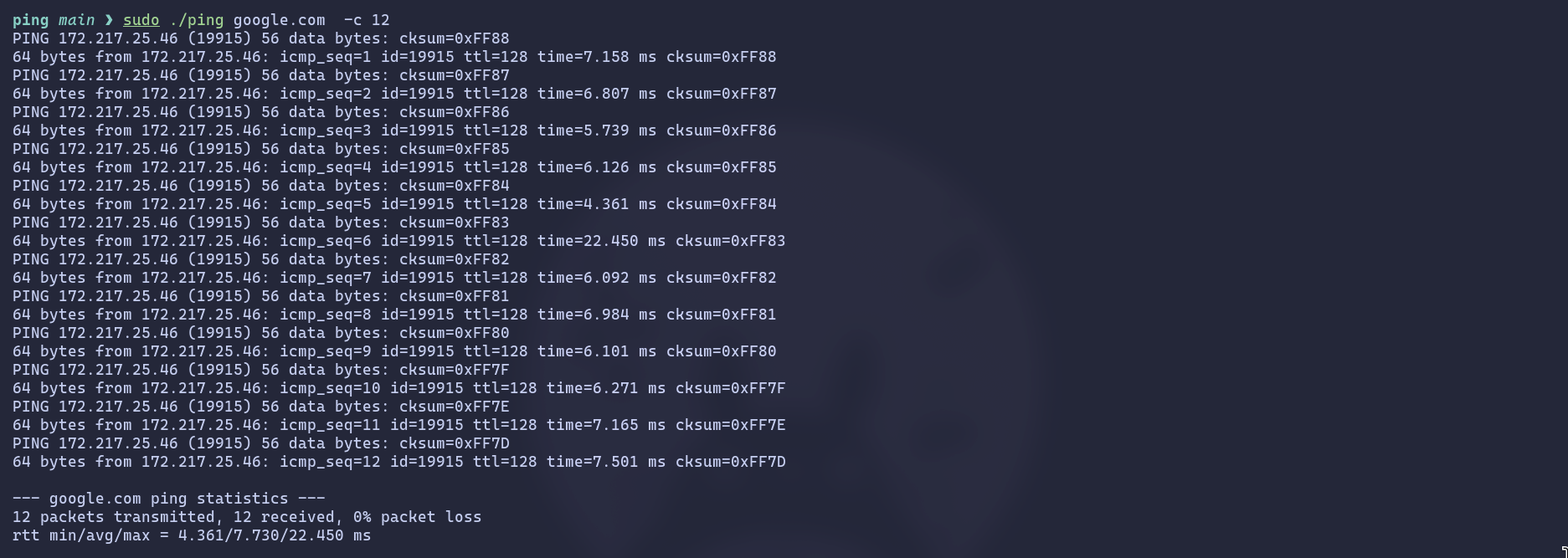
A C++ raw ICMP ping utility that sends ICMP Echo Requests to a host, measures round-trip time, and prints results. Uses threads to receive replies, calculates checksums, handles timeouts, and shows statistics including min/avg/max RTT and packet loss. Supports -c for count.
Programming
Windows
CodeBlog
Project image 1

DHCP spoofer

Oct 9, 2025

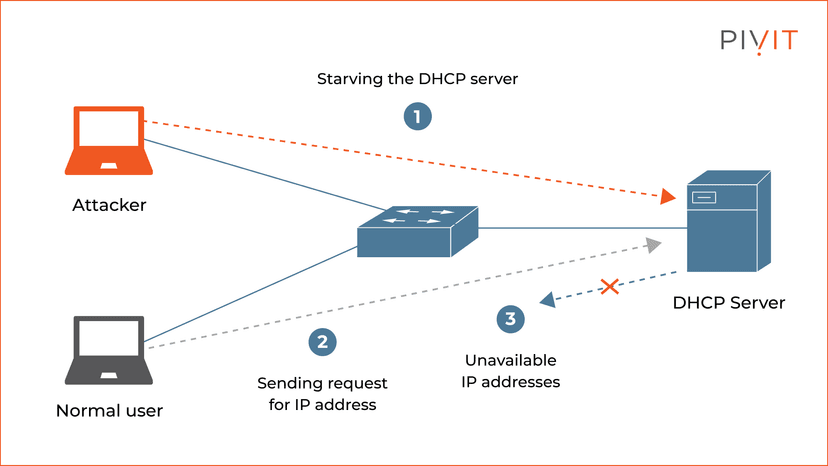
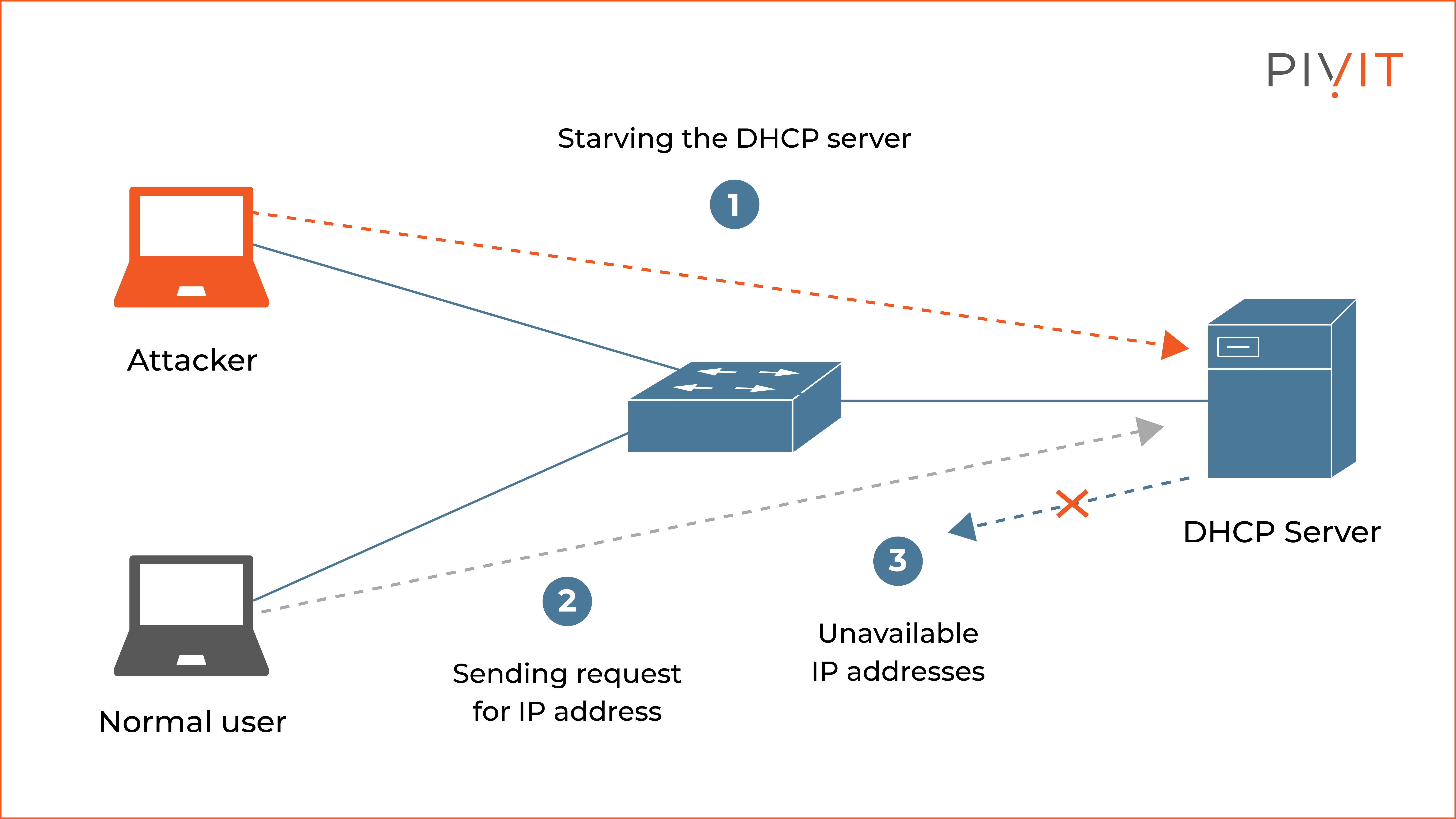
A network attack tool for performing man-in-the-middle attacks using DHCP spoofing.

Network
Cybersecurity
Programming
CodeBlog
Project image 1

Process remote injection

Sep 22, 2025

Remote Process Injection via Thread Hijacking with Dynamic API Resolution and Hashing-Based Stealth Execution

Malware
Windows
Programming
CodeBlog
Project image 1

Go HTTP server

Sep 1, 2025

A fully custom HTTP server implemented in Go, supporting request parsing, partial parsing, static file serving, and dynamic endpoint handling.

Go
Protocols
Network
CodeBlog
Project image 1

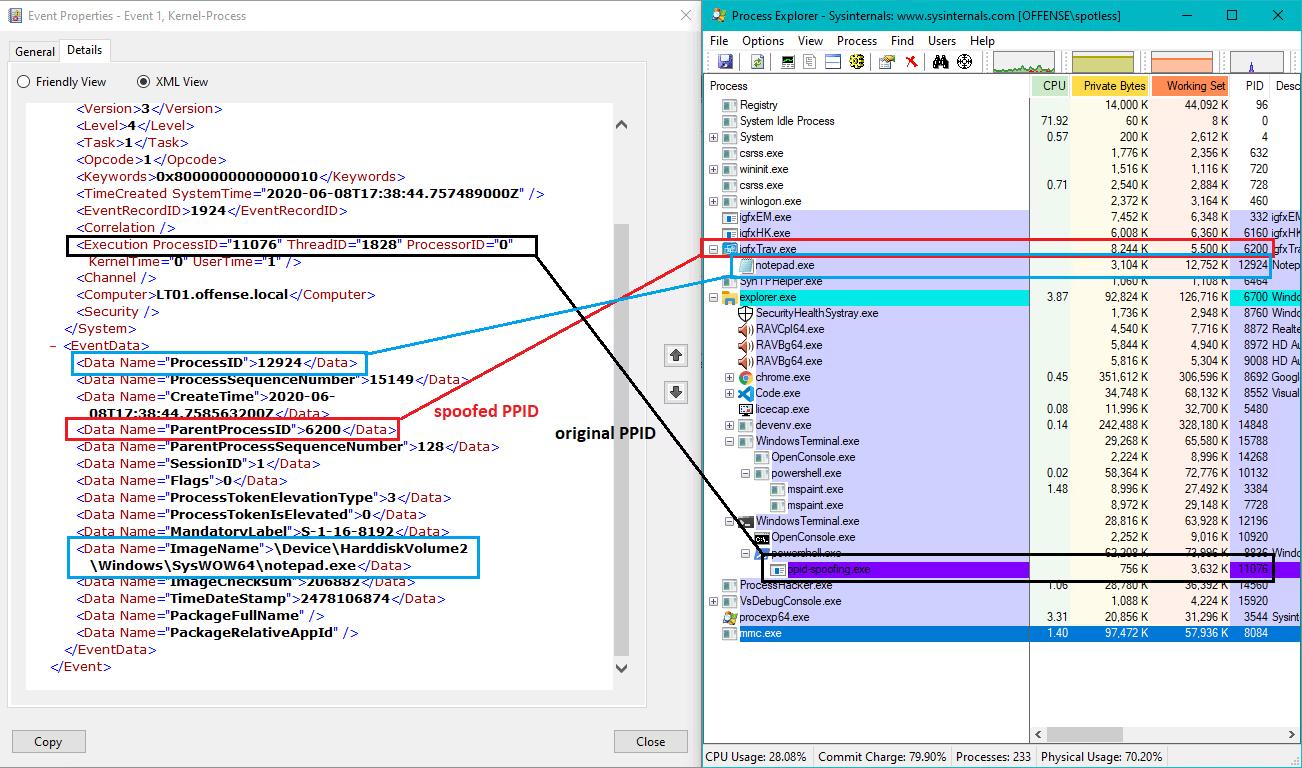
PID spoofing

Aug 22, 2025

PID spoofing is a technique where an attacker manipulates or fakes a process ID (PID) to hiding malicious activity on a system.

Malware
Programming
Windows
CodeBlog
Project image 1

DLL injector

Aug 22, 2025

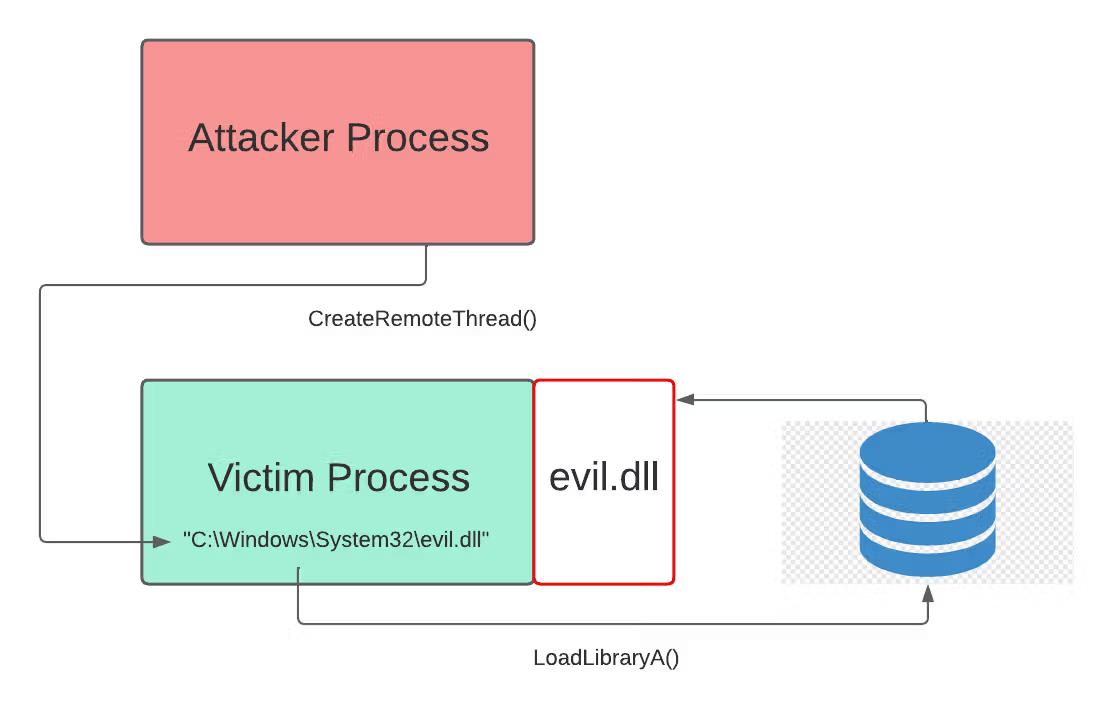
DLL injection technique using undocumented Windows Native API functions to load a custom DLL into a running process

Malware
Windows
Programming
CodeBlog

Check out my latest Blogs

View All Blogs

I write about cybersecurity, programming, and problem-solving from building secure full-stack applications to breaking down CTF challenges and practical guides for developers. My goal is to share insights that help others learn, build, and stay ahead in tech.

How Ping work?

How Ping work?

A C++ raw ICMP ping utility that sends ICMP Echo Requests to a host, measures round-trip time, and prints results. Uses threads to receive replies, calculates checksums, handles timeouts, and shows statistics including min/avg/max RTT and packet loss. Supports -c for count.
Network
Programming
CodeBlog
kernel programming basics

kernel programming basics

A deep dive into Windows kernel programming guidelines, contrasting it with user-mode development. Explore critical topics like unhandled exceptions (BSOD), resource management, IRQL, C++ limitations, and the Kernel API. Essential reading for driver developers.

Windows
Kernel
Programming
Blog
Diving into Kernel Development

Diving into Kernel Development

Go from zero to a running kernel driver. This blog covers the essential tools, code, and deployment steps. Learn to write, build, and test a simple Windows driver, demystifying the first steps into kernel programming.

Programming
Windows
Kernel
Blog
How Handles and Objects Really Work

How Handles and Objects Really Work

A deep dive into the Windows kernel. This post breaks down how kernel objects are managed and why user-mode applications use handles instead of direct pointers. We'll explore the entire lifecycle, from creation and reference counting to how drivers safely interact with these core components.

Windows
Kernel
Operating System
Blog
Understanding Threads and System Calls in Windows

Understanding Threads and System Calls in Windows

An overview of threads, their properties, and states. This guide details user and kernel stacks, stack growth with guard pages, and how user-mode applications interact with the kernel through system calls and the general Windows architecture.

Windows
Kernel
Operating System
Blog
An Introduction to Windows Processes and Memory Management

An Introduction to Windows Processes and Memory Management

Dive into Windows internals. This guide demystifies how processes work and how memory is managed. Explore virtual address space, VADs, page states (free, reserved, committed), and the crucial split between user and kernel space. A clear look at the OS core.

Windows
Kernel
Operating Systems
Blog